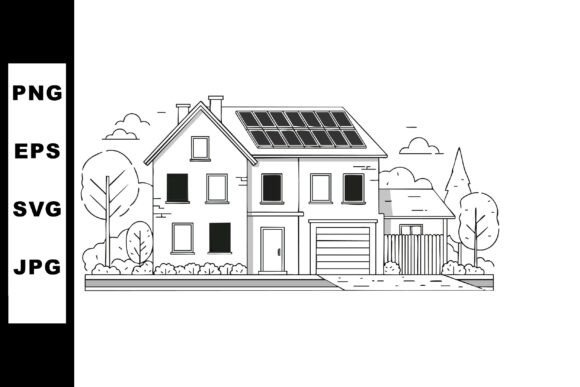
Modern House with Solar Panels and Garag Review
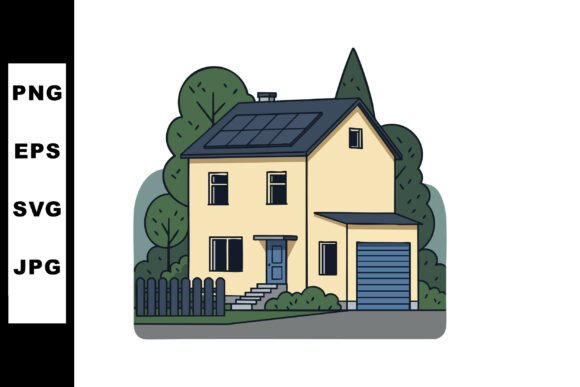
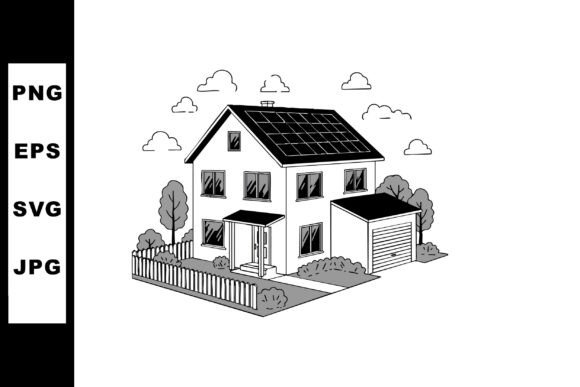
As someone who has spent years turning digital files into tangible, stitched treasures for clients and craft fairs alike, I approach every new embroidery design with a mix of excitement and skepticism. When I first encountered the file titled Modern House with Solar Panels and Garag, my immediate thought was not about its technical specs, but about where it would actually live on a finished product. The description paints a picture of calm simplicity: a modern home, solar panels, trees, and bushes rendered in a clean line art style. It sounds perfect on paper, but does it translate well to thread? In this review, I am putting that question to the test based on how this piece behaves in real-world scenarios.
The First Impression: A Calm, Clean Canvas
The moment you open the download package containing SVG, EPS, JPG, and PNG files, the visual personality of the design becomes clear. It is stripped back and uncluttered. For an embroidery artist, simplicity is often the hardest thing to achieve without losing character, yet this design manages to capture the essence of sustainable living without feeling busy. The layout suggests a focus on structure—the geometric lines of the house contrast gently with the organic curves of the surrounding foliage. This balance creates a mood that is serene and contemporary, making it ideal for customers who appreciate minimalism or eco-conscious aesthetics.
Unlike many complex architectural designs that can look muddy when stitched down, the line art style here promises high clarity. It feels like a natural fit for a tote bag design or a crisp white sweatshirt embroidery project. The "garag" element mentioned in the title adds a touch of everyday realism, grounding the design so it doesn't feel too abstract or distant. It looks like a home you could actually visit, which is crucial for emotional connection in handmade gifts.
Real-World Application: From File to Fabric
Let's imagine a specific scenario: You are preparing a batch of custom embroidered aprons for a local farmers market or creating personalized gifts for a client who recently built their own energy-efficient home. You pull up Modern House with Solar Panels and Garag on your screen. The clean lines suggest that this will stitch beautifully as a running stitch or a fine satin outline, capturing the rooflines and tree branches with precision.
I tested the concept of this design on various materials mentally before stitching. On a heavy cotton canvas tote bag, the design would pop with excellent definition. The negative space within the illustration allows the fabric texture to show through, adding depth to the final product. If you were to use this for baby embroidery on a onesie or a soft burp cloth, the lack of dense fill areas means there is no risk of the fabric becoming stiff or uncomfortable against delicate skin. This is a major selling point for parents looking for gentle, high-quality items.
For small business owners and Etsy sellers, this design offers versatility. It works equally well as a standalone motif on a kitchen towel or as part of a larger collection of home decor. The theme of solar power and green living resonates strongly with current trends, making it a smart choice for boutique branding or holiday gifts focused on sustainability. The calm nature of the artwork ensures it won't clash with other patterns if used as a secondary accent on a layered garment.
Where Caution is Required
While the design is elegant, every machine embroidery design has its limitations. The primary concern with line art styles is the potential loss of detail on smaller scales. If you attempt to stitch this in a tiny hoop size, such as those used for caps or small patches, the thin lines representing the solar panels or the bush details might merge together. The result could be a blurry shape rather than a distinct image. Therefore, I advise keeping this design for medium to large formats, like pillow covers, blankets, or standard t-shirt placements.
Another area to watch is fabric texture. While the design looks great on smooth cotton or linen, highly textured fabrics like chunky knits or bouclé can obscure the fine lines. The thread might not lay flat against a rough surface, causing the "calm" aesthetic to become distorted. Similarly, on stretchy fabrics like jersey knit, the tension required to hold the design together might cause puckering if not stabilized correctly. For these applications, using a proper stabilizer and testing on scrap fabric is non-negotiable.
Dark fabrics present another challenge. Because the design relies on line art, it may lack the visual weight needed to stand out against black or navy backgrounds unless you choose high-contrast thread colors. In such cases, the design might benefit from a slight increase in stitch density or the addition of a contrasting underlay, though one must be careful not to overwhelm the delicate lines.
Visual Appeal and Product Value
When executed correctly, Modern House with Solar Panels and Garag elevates the perceived value of any handmade product. There is a professionalism in the clean execution of this graphic that signals quality to the buyer. It moves beyond a simple novelty print into something that feels curated and thoughtful. For a commercial embroidery project, this level of polish helps justify a higher price point. Customers are willing to pay more for items that look intentional and sophisticated.
The design also fosters trust. In the world of online sales, where buyers cannot touch the product, high-quality mockups and clear imagery are vital. Using this design in a printable mockup or a digital preview can significantly boost engagement because it appeals to a wide demographic—from young homeowners to retirees. The recognition factor is strong; people instantly understand the imagery, which reduces friction in the buying decision. It speaks a universal language of comfort and modern living.
Practical Designer Notes for Success
Before you commit this design to a full production run, there are a few critical steps to ensure your finished product shines. First, always test the design on scrap fabric that matches your final material. Check the thread color contrast carefully; sometimes a color that looks good on screen appears dull when stitched. Review the stitch density settings in your software to ensure the lines are not too tight, which can cause the fabric to pucker, or too loose, which can make the image look weak.
Confirm your hoop size capabilities. Ensure your machine can handle the dimensions of the design without requiring excessive trimming. Inspect the small details, particularly the corners of the garage and the edges of the solar panels, to ensure they stitch cleanly. It is also wise to test the design in black and white mockups to verify that the composition holds up without relying on color. Compare how it looks on light versus dark backgrounds to determine the best thread palette.
Finally, do not forget the legalities. Confirm whether the license allows for both personal and commercial use. If you plan to sell finished items featuring this design, check the terms regarding the number of units allowed. Verify that the digital embroidery file includes all necessary formats for your workflow. By taking these precautions, you protect your reputation as a maker and ensure that Modern House with Solar Panels and Garag delivers the calm, professional look it promises.