Cactus Plant with Desert Sand and Small Review
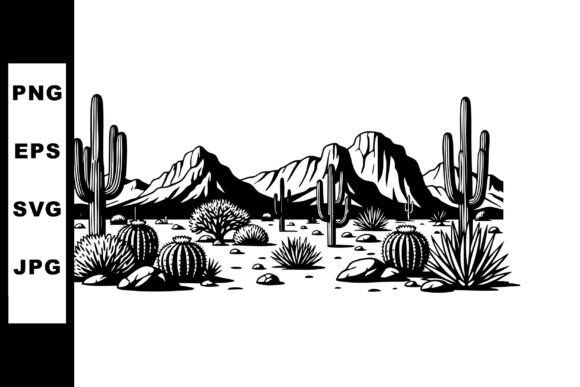
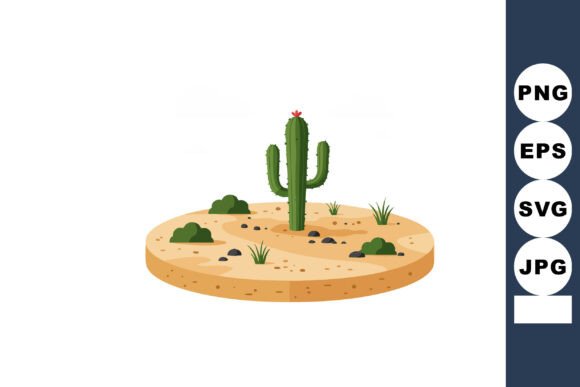
As a designer who spends countless hours testing digital assets for real-world embroidery projects, I often find myself looking past the flashy marketing to see what actually stitches well. Today, I am evaluating a specific graphic asset titled Cactus Plant with Desert Sand and Small. At first glance, it presents as a simple illustration featuring a cactus accompanied by small bushes and grass on sandy ground. The style is flat, minimalistic, and evokes a calm mood. While this sounds like a standard Illustrations or Graphics category download, the true test lies in how this design translates from a screen to a needle and thread.
I approached this review with a specific scenario in mind: preparing a custom embroidered tote bag for a boutique client. This client wanted something that felt organic and relaxed but professional enough to command a higher price point. They needed a design that wouldn't overwhelm the canvas of the fabric but would still be recognizable as a desert scene. Let's dive into how Cactus Plant with Desert Sand and Small performs when we move from a static image to a functional embroidery project.
The First Impression and Design Personality
The immediate appeal of this design is its restraint. In a market saturated with overly complex, multi-colored floral arrangements, the simplicity of Cactus Plant with Desert Sand and Small stands out. The flat style suggests a modern aesthetic that fits perfectly with current trends in handmade product branding. It doesn't scream for attention; instead, it offers a quiet confidence that works beautifully on soft goods.
However, the "flat" nature of the original file requires a strategic approach during digitization. Because the source is described as a simple illustration, the resulting machine embroidery design will rely heavily on stitch types rather than intricate color gradients. The mood is calm, which means the stitching should reflect stability. We aren't looking for chaotic motion here; we are looking for clean lines and balanced negative space. For a custom apparel item like a sweatshirt or a baby onesie, this balance is crucial. It prevents the garment from feeling heavy or stiff while maintaining a polished look.
Real-World Application: From Screen to Stitch
When I imagine placing this design on a finished product, the versatility becomes apparent. The composition, featuring the main cactus with supporting small bushes and grass, creates a natural focal point. This makes it an ideal candidate for a tote bag design where the center panel needs to hold visual interest without cluttering the entire surface.
Consider the potential for a nursery decor item. The gentle, non-threatening shape of the cactus, paired with the sandy ground, could translate into a soothing wall hanging or a pillow cover. The minimalistic mood aligns well with contemporary interior design, making it a strong choice for holiday gifts or wedding gifts where a personalized touch is required. For an Etsy seller or small shop owner, this design offers a unique niche. It allows for creative customization through thread colors—perhaps using earthy tones for the sand and vibrant greens for the plants—to match different customer preferences.
In a commercial context, such as branding for a craft business, the clarity of the shapes ensures that the logo remains legible even when scaled down. Whether applied to an apron for a workshop or a cap for a team event, the design maintains its integrity. The inclusion of small details like the grass adds texture without requiring excessive density, which is a common pitfall in many embroidery files.
Navigating Technical Challenges and Limitations
While the design has high potential, there are specific areas where caution is necessary. The description mentions "small bushes," which implies fine details. When converting this into an applique design or a dense satin stitch pattern, these small elements can become problematic if not handled correctly.
Hoop size is a critical factor here. If you attempt to stitch this on a very small hoop, the tiny grass details might get lost or cause the fabric to pucker. Conversely, on larger items, the spacing must be maintained to preserve the "desert" feel. I recommend testing the design on scrap fabric first to ensure the stitch density is appropriate for the chosen material.
Fabric selection plays a huge role in the final outcome. Textured fabrics, such as thick wool or coarse linen, can obscure the delicate lines of the small bushes. Thin or stretchy fabrics require a robust stabilizer to prevent distortion, especially since the design includes fill areas that might pull the fabric if the tension is too tight. Dark fabrics present another challenge; the contrast between the sand and the background must be carefully managed to ensure the design pops. A light thread color on a dark background is essential for visibility.
Curved surfaces, like caps, add another layer of complexity. The flat layout of Cactus Plant with Desert Sand and Small might need adjustment to follow the curvature of a hat brim or crown. Detailed corners and tiny lettering (if added later) should be avoided on curved surfaces unless the digitizing is expertly done. Furthermore, products that undergo frequent washing, like kitchen towels or baby clothes, benefit from simpler designs. Overly dense stitch areas can trap lint and wear down faster, so the minimalistic approach of this design is actually a strength for durability.
Visual Appeal and Customer Perception
For a craft business or creative entrepreneur, the perceived value of a product is directly linked to the quality of the embroidery. A clean, well-executed design like this one builds customer trust. It signals professionalism and attention to detail. When a buyer sees a crisp, un-puckered cactus on a high-quality tote bag, they are more likely to view the item as a premium handmade product.
The design also enhances giftability. Its neutral yet thematic nature allows it to fit various occasions, from summer festivals to winter holidays, depending on the thread palette used. The recognition factor is high; everyone understands the imagery of a cactus and desert sand, making it instantly relatable. This universal appeal helps in designer engagement and social media sharing, as the design is visually distinct without being confusing.
Practical Notes for the Embroidery Designer
Before committing to a full production run, there are several steps every designer should take. First, inspect the digital embroidery file thoroughly. Check the file formats provided in the ZIP package—SVG, EPS, JPG, and PNG—as each serves a different purpose in the workflow. Ensure that the vector paths are clean before importing them into your digitizing software.
Review the stitch density carefully. If the original illustration relies on thin lines, ensure the digitized version uses enough stitches to prevent the fabric from showing through, but not so many that it becomes rigid. Test the design in black and white mockups to verify that the contrast works across different backgrounds. Compare how it looks on both light and dark fabrics to determine the best thread combinations.
Always use proper stabilizer suited to the fabric weight. For commercial embroidery projects, confirm the licensing terms before selling finished items. Some graphics come with restrictions on mass production, so verifying whether the license covers personalized gifts or broader small shop products is vital. Finally, create a printable mockup to visualize the final result before cutting any fabric. This step saves time and materials, ensuring that Cactus Plant with Desert Sand and Small meets your standards for quality.
In conclusion, this design offers a fresh, minimalist approach to desert-themed embroidery. It is a versatile tool for anyone looking to add a touch of nature to their creations, provided the technical execution matches the clean aesthetic of the original illustration.